



How to Reduce Breast Size: Natural Methods, Exercises & Breast Reduction Surgery Explained
If you’re wondering how to reduce breast size naturally, like diet and exercise may help in some cases. However, for women with excessively large breasts causing discomfort, breast reduction surgery is often the most effective long-term solution.
Breast size varies from person to person and is influenced by factors such as genetics, hormones, body weight, pregnancy, and lifestyle. While many women are comfortable with their natural breast size, others may experience physical discomfort, back pain, neck strain, posture issues, or self-consciousness due to larger breasts. This often leads to questions about how to reduce breast size safely and effectively.
The good news is that there are several approaches that may help, ranging from lifestyle changes and targeted exercise routines to medical procedures. Understanding the available options can help you determine the best solution for your body and personal goals.
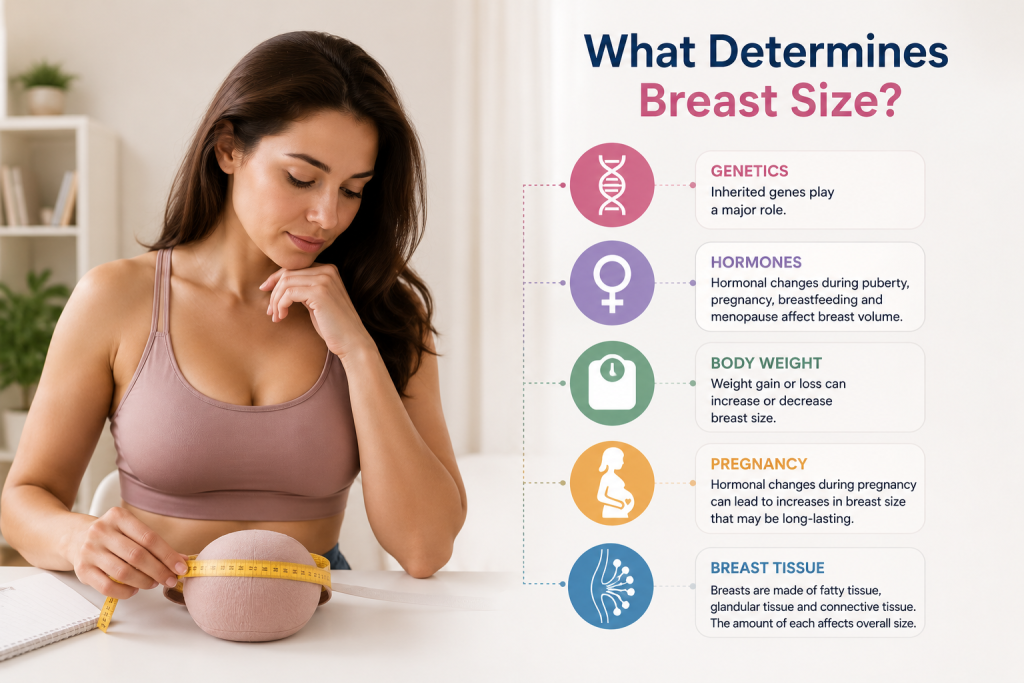
What Determines Breast Size?
Before exploring what influences breast size, it’s important to understand what contributes to breast volume. Breasts are primarily composed of fatty tissue, glandular tissue, and connective tissue. Since a significant portion of breast tissue consists of fat, overall body weight often influences breast size.
Hormonal fluctuations during puberty, pregnancy, breastfeeding, and menopause can also affect breast volume. This is one reason many women notice changes in breast volume following childbirth, as hormonal changes can sometimes lead to long-lasting increases in breast size.
Understanding these factors can help set realistic expectations when exploring natural or medical solutions.
It’s worth noting that breasts are made up of both fatty tissue and glandular (milk-producing) tissue. Diet and exercise can only reduce the fatty component they have no effect on glandular tissue. This is why some women see noticeable changes with weight loss while others, whose breasts are more glandular, notice little difference.
How to Reduce Breast Size Naturally?
Many women prefer to start with natural approaches before considering surgery. If you’re exploring natural options, lifestyle changes are often the first recommendation.
Weight management plays an important role because excess body fat can contribute to larger breasts. A healthy combination of balanced nutrition and regular physical activity may help reduce overall body fat, including breast fat.
Hydration, proper sleep, and stress management can also support healthy hormone balance. While these habits may not dramatically alter breast size on their own, they contribute to overall wellness and may assist those pursuing a natural approach.
Another important factor is consistency. Natural changes often take time, and gradual improvements tend to be more sustainable than rapid weight-loss methods.
Here’s something most people don’t realise hormones, not just weight, drive a lot of breast tissue growth. Estrogen is the main one. If you’ve ever been on birth control and noticed your bra size creeping up by a cup or two, that’s estrogen at work and it usually settles back down once you stop the medication.
There’s also growing talk about “xenoestrogens” compounds found in some plastics and cosmetics that mimic estrogen in the body. The science here is still developing, but it’s worth being mindful of, especially if hormonal factors seem to be a bigger part of the picture for you than weight alone.
How to Reduce Breast Fat Through Diet?
Because breasts contain fatty tissue, nutrition plays an important role in managing overall body fat, including breast fat. While spot reduction is not possible, losing overall body fat may lead to a reduction in breast size.
A balanced diet rich in fruits, vegetables, lean proteins, whole grains, and healthy fats can support healthy weight management. Reducing processed foods, sugary beverages, and excessive calorie intake may also help.
Maintaining a calorie deficit under professional guidance is often the most effective strategy for fat loss. Sustainable weight loss can gradually decrease fat stores throughout the body, including the breasts.
It’s important to remember that genetics play a role in fat distribution. Therefore, the degree to which breast size changes may vary from person to person.
A Couple of Natural Additions Worth Knowing About
Two things come up often when people search for natural ways to support fat loss:Green tea it’s not magic, but the antioxidants in it do give your metabolism a small nudge, which can help with overall fat loss over time.Ginger similar idea. A cup of ginger tea now and then is a low-effort addition some women swear by as part of a bigger routine.Neither of these will move the needle on their own think of them as a small boost alongside diet and exercise, not a replacement for either.
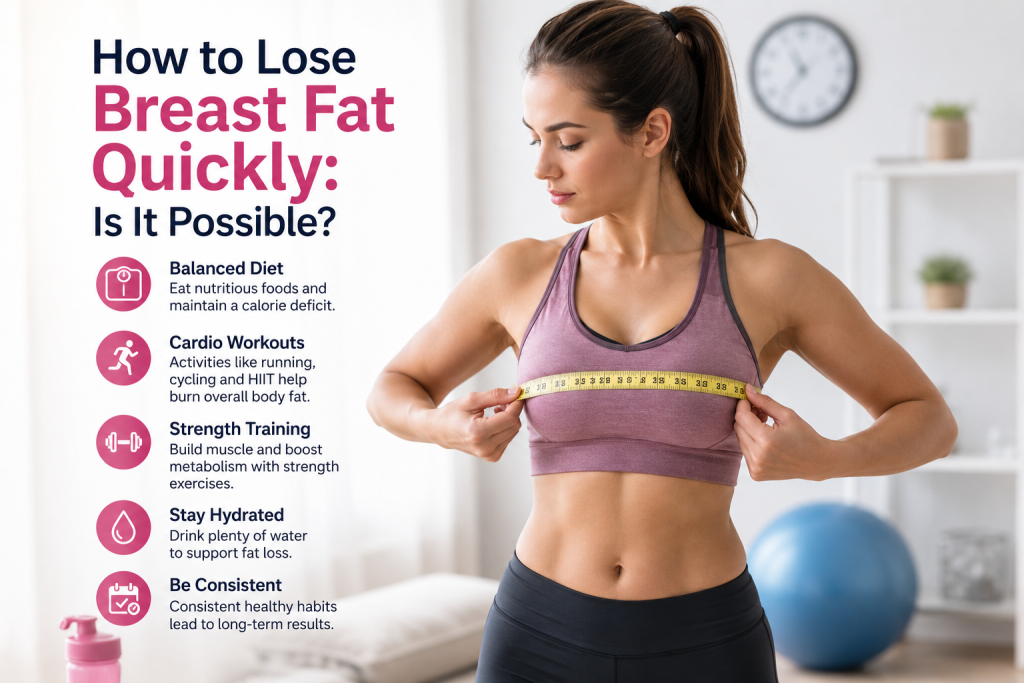
How to Lose Breast Fat Quickly: Is It Possible?
Many people ask how to lose breast fat quickly, especially when preparing for a special event or trying to relieve physical discomfort. While rapid changes may sound appealing, healthy and sustainable results typically require patience.
Extreme diets or excessive exercise programs are not recommended and may negatively affect overall health. Instead, the focus should be on gradual weight loss through a balanced diet and regular physical activity.
Combining cardiovascular exercise with strength training can help improve body composition and support fat loss. While there is no guaranteed shortcut for quick results, healthy lifestyle habits often provide the safest and most effective outcome.
Breast Reduction Exercise: Exercises That Can Help
Exercise is one of the most commonly recommended methods for those looking to support this goal naturally. Although exercise cannot directly target breast tissue, it can help reduce overall body fat and improve chest muscle tone.
Cardiovascular activities such as brisk walking, running, cycling, swimming, and dancing help burn calories and support fat loss. These activities are frequently recommended for women focusing on overall fat loss and toning.
Strength-training exercises that target the chest, shoulders, and upper body may also improve the appearance of the chest area. Push-ups, chest presses, dumbbell flyes, and plank variations are popular options.
- Push-Ups: 3 sets of 10-15 reps — engages chest, arms, and shoulders.
- Chest Press: 3 sets of 12 reps using dumbbells or a machine — tones muscles under the breast for a subtle lift.
- Dumbbell Flyes: 3 sets of 12-15 reps — stretches and tones the chest muscle.
- Plank Variations: Hold for 30-45 seconds, 3 rounds — strengthens the chest and core.
With consistent effort, most women notice visible improvements in chest tone within 8-12 weeks. Consistency is key for noticeable results. Regular workouts combined with healthy eating habits often produce the best long-term results.
Do Minimizer Bras or Breast Binding Help?
Some women look for quicker, non-surgical ways to appear smaller. A minimizer bra can redistribute breast tissue for a smaller-looking silhouette, but this is a cosmetic, temporary effect it doesn’t change actual breast size.
Breast binding – tightly wrapping the chest is sometimes suggested online, but it does not shrink breast tissue and isn’t a recommended long-term method. It may also cause discomfort with prolonged use.
How to Reduce Breast Size After Pregnancy?
Pregnancy and breastfeeding can significantly affect breast size due to hormonal changes and milk production. Many women seek ways to manage this naturally once breastfeeding has ended.
The first step is allowing the body time to adjust naturally. Hormone levels gradually stabilize after pregnancy, and breast size may decrease on its own over several months.
Regular exercise, healthy eating, and maintaining a stable weight may help support this natural recovery process. It is also important to wear supportive bras during recovery and physical activity.
For most women, hormone levels stabilize within 3-6 months after breastfeeding ends, at which point natural breast size changes become more noticeable. For some women, breast size remains larger even after hormonal changes have settled. In such cases, additional options may be considered.
How to Decrease Breast Size Through Lifestyle Changes?
Adopting a healthy lifestyle is often one of the most practical approaches for managing breast size naturally. Weight management, physical activity, and proper nutrition work together to support overall body composition changes.
Many healthcare professionals recommend focusing on long-term habits rather than quick fixes. Better results often come from committing to sustainable lifestyle modifications rather than relying on short-term solutions.
Stress reduction may also play a role. Hormonal fluctuations influenced by stress can affect weight management and overall health, making self-care an important part of the process.
Breast Reduction Surgery: When Is It an Option?
While many women successfully achieve their goals through natural methods, others may continue experiencing significant physical discomfort despite lifestyle changes. In such cases, breast reduction surgery may be considered.
Breast reduction surgery removes excess breast tissue, fat, and skin to create a smaller, more proportionate breast size. This procedure is often chosen by women who experience chronic back pain, shoulder discomfort, skin irritation, or limitations in physical activity.
Individuals looking for a permanent solution may find surgery to be the most effective option. However, surgery should always be discussed with a qualified healthcare professional who can evaluate individual needs and expectations.
For some patients, breast reduction can significantly improve comfort, posture, mobility, and self-confidence. To know more about how to reduce breast size can,
Also Read – Crucial Tips For Safely Recovering From Breast Reduction
How Much Is a Breast Reduction?
One of the most common questions women ask before considering surgery is, “How much is a breast reduction?” The answer isn’t the same for everyone because every patient has unique concerns, body proportions, and treatment goals.
The breast reduction surgery cost can vary depending on several factors, such as the surgeon’s expertise, the complexity of the procedure, hospital facilities, anesthesia charges, and the amount of breast tissue that needs to be removed. While the price is an important consideration, choosing a qualified cosmetic surgeon with experience in breast procedures is equally essential for achieving safe, balanced, and natural-looking results.
If large breasts are causing persistent back pain, shoulder discomfort, skin irritation, difficulty exercising, or affecting your confidence, focusing only on the cost may not give you the complete picture. A detailed consultation allows the surgeon to understand your concerns, evaluate your condition, explain the expected results, and provide a personalized treatment plan with an accurate cost estimate.
Remember, breast reduction surgery is not just about improving appearance it can also enhance comfort, posture, mobility, and overall quality of life for many women.
Choosing the Right Approach
The right method depends on your personal circumstances, overall health, and goals. Some women achieve satisfactory results through diet and exercise, while others may benefit from medical intervention.
For those exploring natural options, lifestyle changes are often a good place to start, with healthy weight management playing a key role.
Similarly, women recovering after pregnancy may find that time, exercise, and hormonal stabilization help the body adjust naturally.
Expert Guidance at Karishma Cosmetic Clinic
At Karishma Cosmetic Clinic, Dr. Shobha Sanghvi personally evaluates each patient’s breast composition, lifestyle, and goals before recommending natural methods or surgical intervention, ensuring a plan tailored to individual needs rather than a one-size-fits-all approach.
Understanding what works best for your body requires a realistic and personalized approach. While natural methods such as healthy eating, exercise, and weight management can be effective, results vary from person to person.
Whether you’re exploring natural methods, exercise-based routines, dietary changes, or post-pregnancy recovery, the key is choosing a safe and sustainable plan in Karishma Cosmetic Clinic that supports your overall health and well-being.
With the right approach and professional guidance when needed, achieving greater comfort and confidence is entirely possible.
Book your consultation today and start your journey towards restored beauty and confidence.
Frequently Asked Questions
Can breast size be reduced naturally?
Yes, in some cases breast size can be reduced naturally through healthy weight loss, regular exercise, and balanced nutrition. Since breasts contain fatty tissue, reducing overall body fat may help decrease breast size. However, results vary depending on genetics, hormones, and breast composition.
What are the best exercises to reduce breast size?
If you’re looking for how to reduce breast size with exercise, activities such as brisk walking, running, swimming, cycling, and strength training can help burn calories and reduce body fat. Chest-focused exercises like push-ups, chest presses, and dumbbell flyes may also help tone the upper body and improve chest appearance.
How can I reduce breast size after pregnancy?
For women wondering how to reduce breast size after pregnancy, it’s important to allow the body time to recover after breastfeeding and hormonal changes. Regular exercise, healthy eating, maintaining a stable weight, and wearing supportive bras may help breasts gradually decrease in size over time.
Is it possible to lose breast fat quickly?
There is no safe way to target breast fat alone or achieve instant results. The healthiest approach for those searching for how to lose breast fat quickly is gradual weight loss through a calorie-controlled diet and consistent exercise. Sustainable changes are generally more effective and safer than extreme diets or rapid weight-loss methods.
When should I consider breast reduction surgery?
Breast reduction surgery may be considered if large breasts cause chronic back pain, neck pain, shoulder discomfort, skin irritation, posture problems, or limitations in daily activities. A qualified plastic surgeon can assess your condition and determine whether surgery is an appropriate option.