



What Are The Different Types Of Noses And Surgical Options Correct Them?
Noses are all unique, making it important to identify the type of nose for which it’s necessary to understand how many types of noses are present and how they differ. appearance and size of your nose play a vital role in overall facial appearance. While there are people who face concerns about their nose due to aesthetic or even functional reasons. Rhinoplasty(nose surgery) is a very common procedure designed for altering the nose. Whether you are trying to enhance facial symmetry, align your nose or fix breathing issues.
What are the types of noses?
There are multiple surgical options existing for different types of noses as explained below:
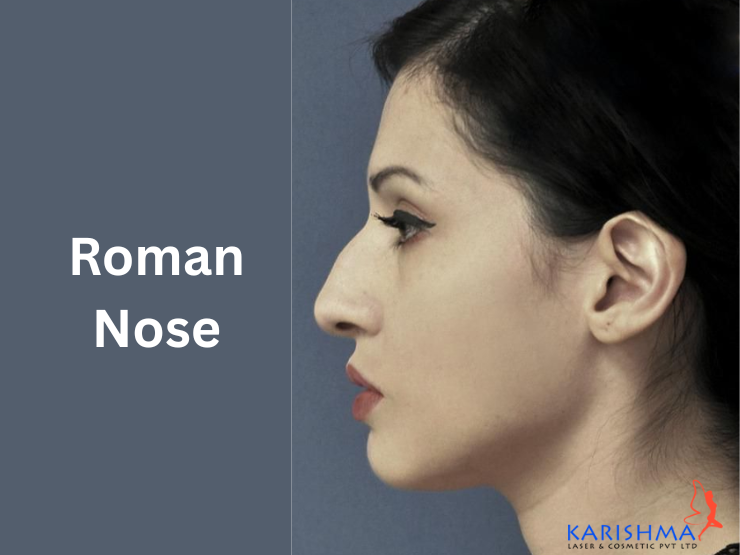
1.Roman Nose
This type of nose is characterized by a distinctive prominent bridge that curves slightly outwards. Often referred to as an “aquiline” nose it appears to be like a hook especially when viewed from the side. These are associated with strong assertive personality, but many don’t find it attractive even on their own face.
Surgical Options include
- dorsal hump reduction: This is the most common surgery in which the surgeon removes or reshapes the cartilage along the bridge to create a straighter, smoother profile.
- Closed Rhinoplasty: in this process incisions are made inside the nostrils leading to no visible scars.
2. Nubian Nose
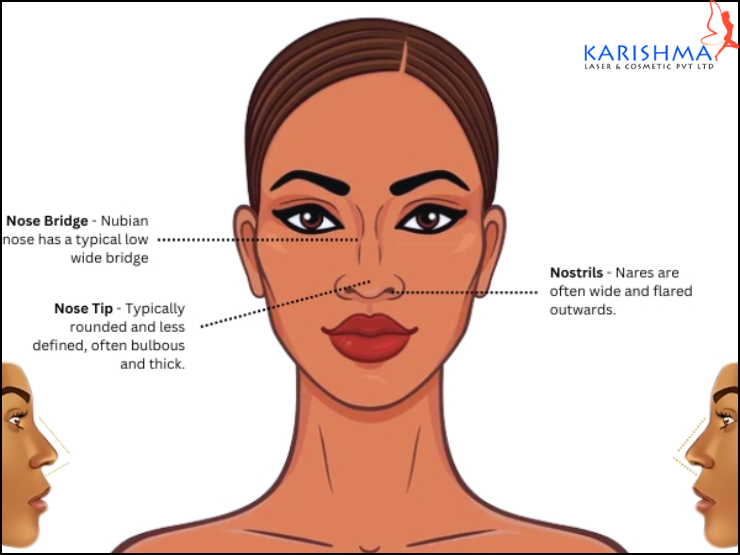
Can be recognized by a wide base and elongated shape, also including flared nostrils. Commonly found in the individuals having African descent. While some celebrate it for its uniqueness others rhinoplasty for narrowing the nostrils or changing the shape of the nose.
Surgical options include
- Alar Base Reduction: for reducing the width of the nostril or just the overall base. The process involves removal of a small wedge of tissues from the sides to achieve a more proportionate look.
- Tip Refinement: this surgery can be used just to reduce the size or projection of the nasal tip.
3. Hawk Nose
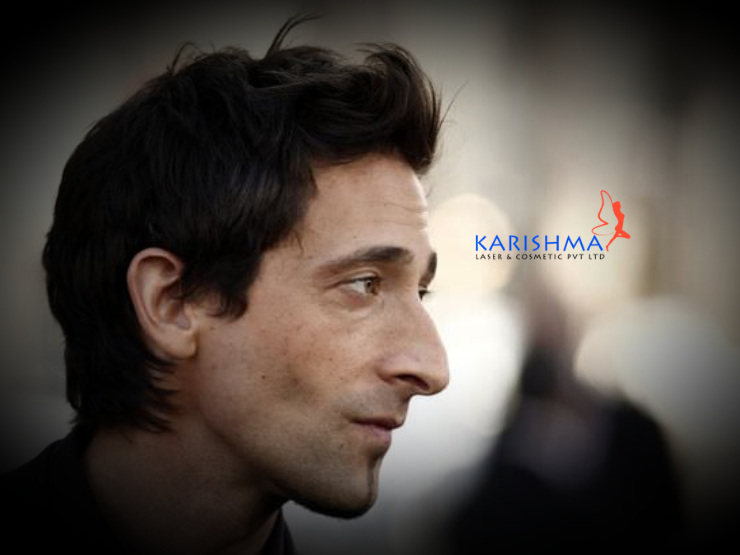
This is basically a roman nose but with a more exaggerated curve along with a sharp downward angle and a prominent bump on the bridge. This kind of nose can have severe appearance issues and not so attractive photos.
Surgical Options include
- Dorsal Hump Reduction or Bridge Strengthening these procedures can address the hump, with the goal of softening the downward slope to help with a more balanced appearance.
- Tip Refinements: for enhancing the overall proportions of the nose.
4. Snub Nose
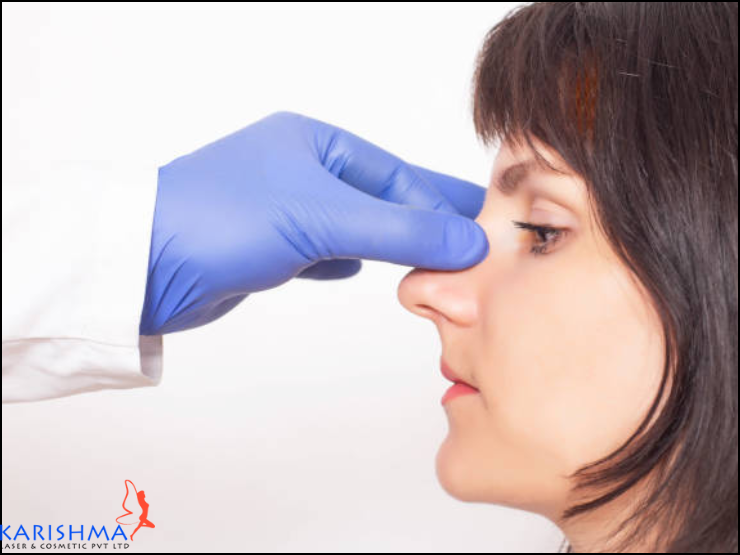
Also known as button nose it is a short nose with a slight upturn at the tip.
Some consider it cute and youthful, many others it short and lacking any definition.
Surgical option include
- Tip Augmentation:it is a surgery performed at the tip while in some cases cartilage grafts are used to extend the length of the nose or increase the size of the tip, these grafts are often collected from the patient’s own septum or ear cartilage.
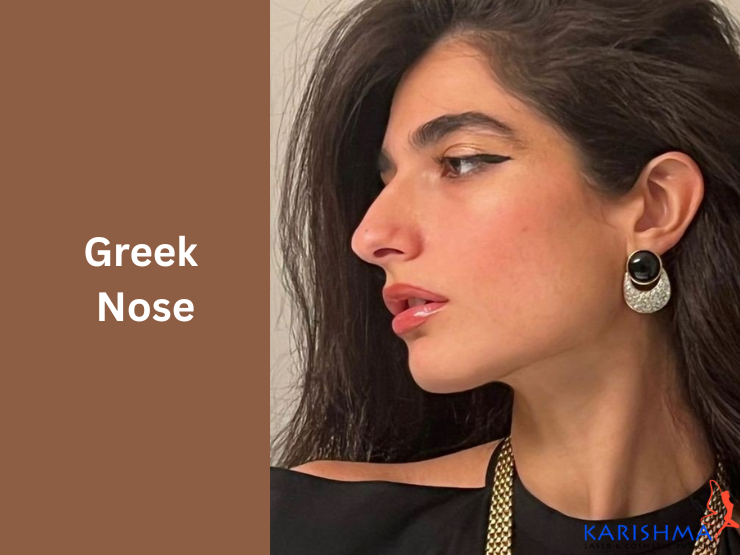
5. Greek Nose
This types of noses is generally considered aesthetically most pleasing due to its straight bridge and balanced proportions.
Perfect nose without any humps or curves, but still people seek further refinement or fixing functional issues.
Surgical Options include
- Tip Refinement: to fix any kind of breathing issues this surgery is used.
- Septoplasty: To fix a deviated septum, the goal is to make subtle changes to maintain the nose’s natural beauty while also improving functioning.
6. Bulbous Nose
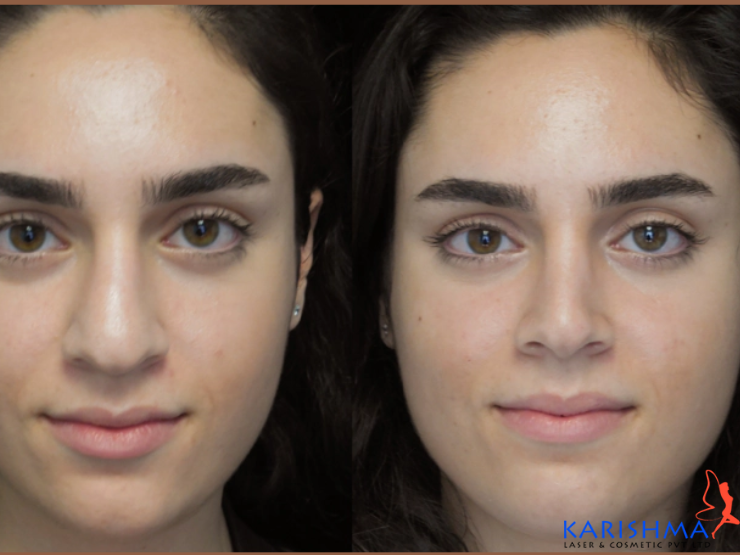
This type of nose has a distinctively large, rounded nasal tip that is often too prominent and looks out of balance with the rest of the face.
It is the result of hereditary genes and can worsen with further growth.
Surgical Option include
- Tip Plasty: is the most common surgery in such cases it involves reshaping the cartilage at the tip of the nose to create a more refined field and narrow appearance. Surgeons also tend to remove excess tissues at the tip to reduce its roundness.
7. Crooked Nose
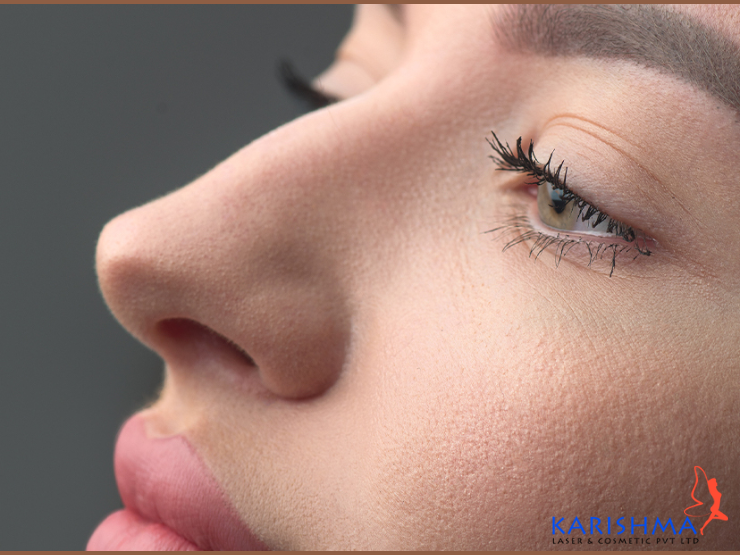
This types of noses is often a result of trauma or an injury causing the nose to become asymmetrical in appearance.
It indicates the presence of a congenital condition or deviation in the growth of a cartilage or bone.
Surgical Options include
- Nasal Realignment: this surgery involves reshaping both the bone and cartilage to restore symmetry.
- Open Rhinoplasty: an incision is made between the skin and nostrils to allow for better access and precision during surgery.
8. Fleshy Nose
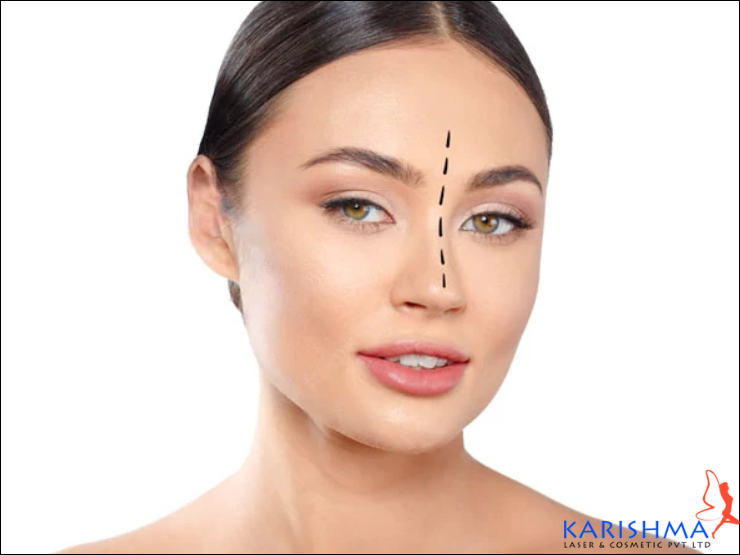
This type of nose is recognized by thick skin and a wide, rounded shape.
It is one of the most common nose types, but some people may feel it lacks uniqueness.
Surgical option include
- Debulking: Beginning with nasal tissue surgery, cartilage reduction is later performed, and tip refinement is later used to improve definition.
Also Read – What Does An Attractive Nose Look Like?
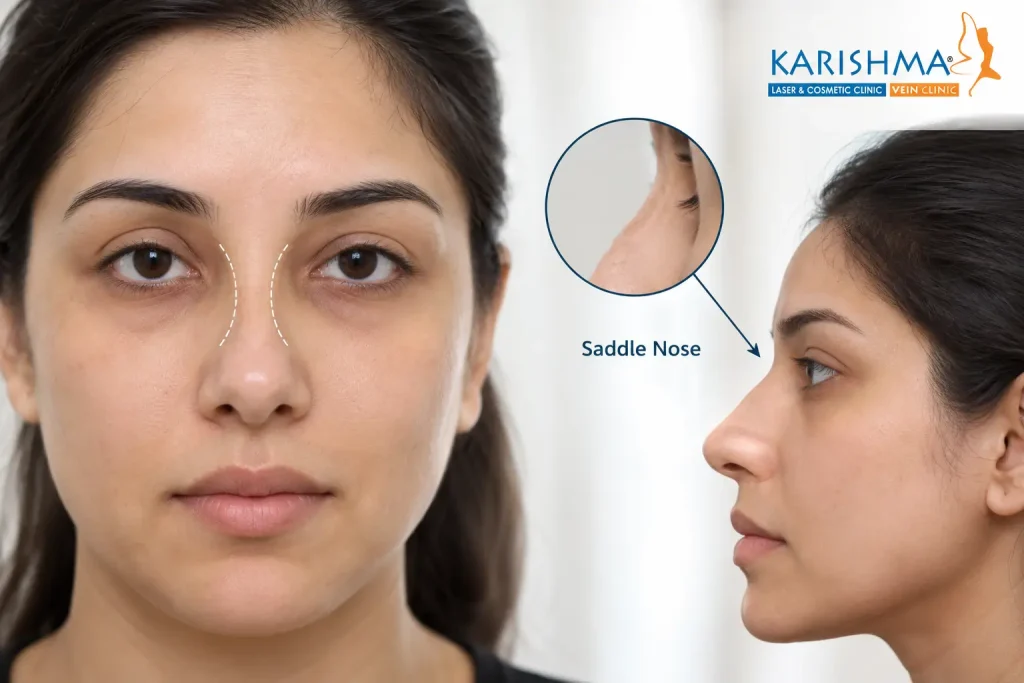
9. Saddle Nose
You’ll sometimes come across a nose where the middle of the bridge looks sunken in, almost like it’s been pressed down that’s a saddle nose. It’s not really about genetics like most other nose shapes on this list. More often, it shows up after an old injury, a botched rhinoplasty, or when the septal cartilage weakens over the years. Besides the visual dip in profile, it can sometimes lead to breathing difficulties too, since the septum plays a role in airflow.
10. Upturned / Celestial Nose
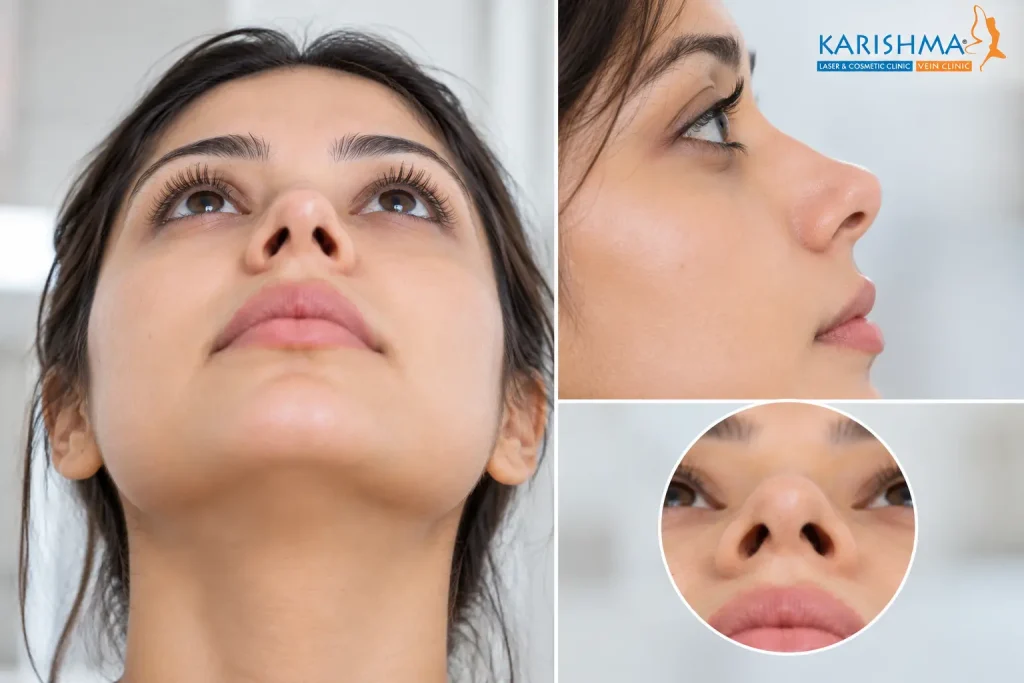
Some noses tilt slightly upward right at the tip, giving the whole face a softer, more youthful look — that’s what people usually call an upturned or celestial nose. From the front it can look delicate, almost doll-like, but from the side you’ll notice the nostrils are a bit more visible than usual because of that upward angle. Not everyone loves this though — a fair number of people feel it exposes the nostrils too much or makes the nose look smaller than they’d like on an otherwise balanced face.
When someone wants to change it, surgeons usually work on the tip itself. Tip rotation correction is the go-to option — it involves adjusting the angle of the nasal tip so it points downward slightly, creating a more even, natural-looking profile instead of that upward flick. In cases where the nose also needs a bit more length or definition, cartilage grafting comes in — adding just enough structure to balance things out without changing the overall character of the face.
11. Nixon Nose
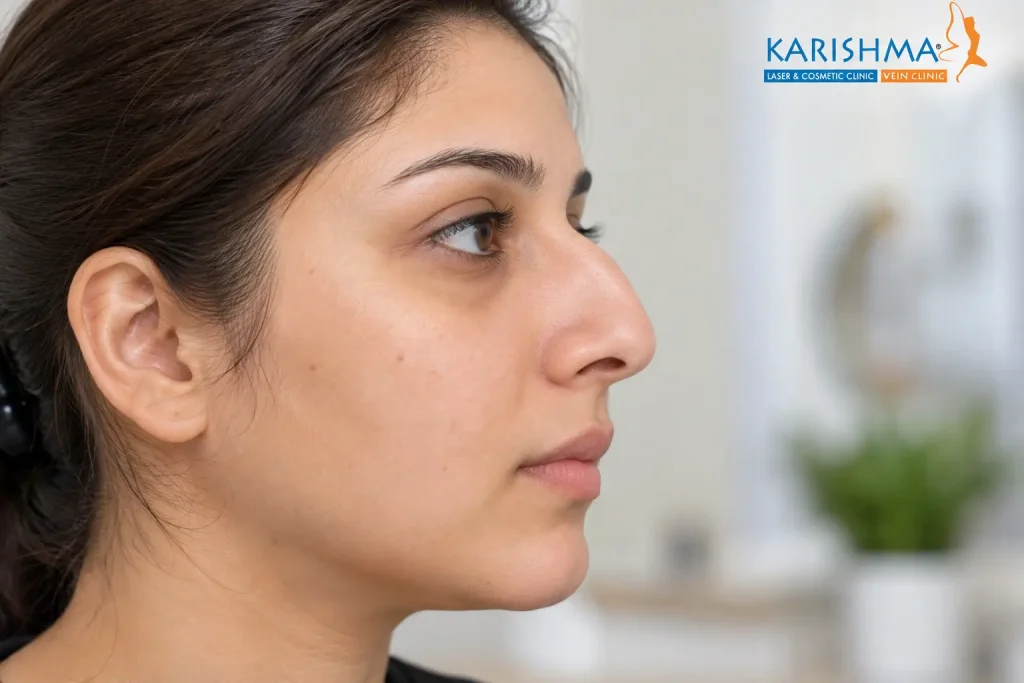
Named after the profile of former US President Richard Nixon, this nose type has become a go-to reference point in rhinoplasty consultations. What sets it apart is the mismatch between a fairly straight, unremarkable bridge and a tip that’s noticeably broader or slightly bulbous — almost like the top and bottom of the nose belong to two different faces. It’s not an extreme shape by any means, but that lack of proportion between bridge and tip is usually what bothers people enough to consider surgery.
The fix tends to focus mostly on the tip rather than the bridge. Tip plasty is the main procedure here — the surgeon goes in and reshapes the cartilage at the tip, narrowing it so it lines up better with the straighter bridge above. Sometimes, if the bridge itself has any subtle irregularities that become more obvious once the tip is refined, a bit of dorsal work is added too, just to make sure the whole profile reads as one cohesive shape rather than two mismatched halves.
12. Wide Nose
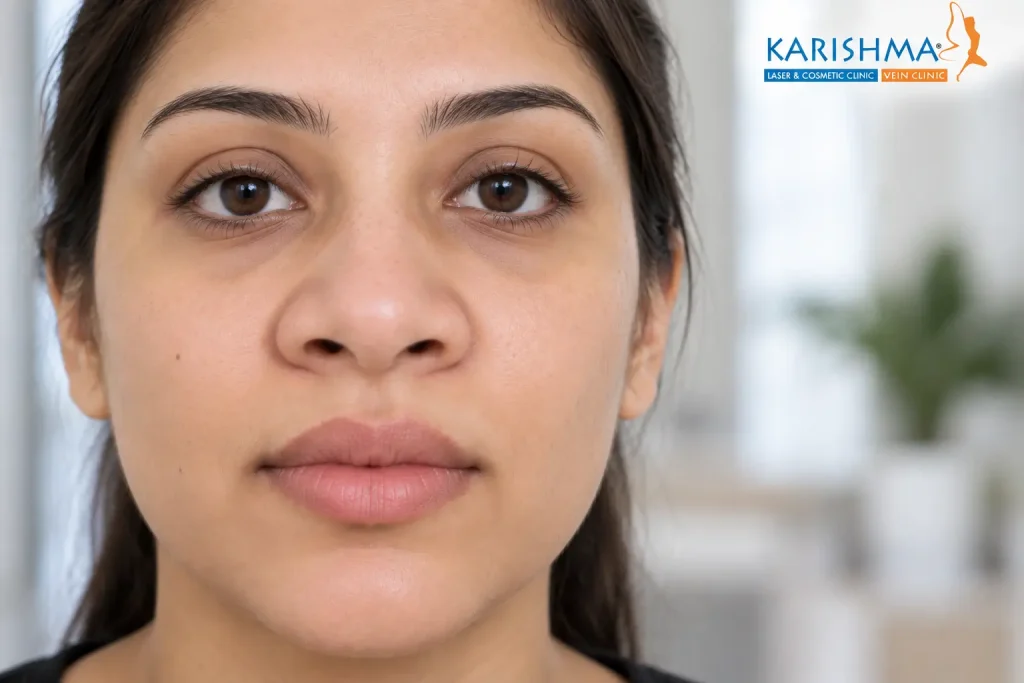
Not every nose issue is about curves or bumps — sometimes it’s simply about width. A wide nose typically has a broader base, with the nostrils and bridge taking up more space across the face than what feels proportionate to some people. It’s often just genetic, passed down the same way as any other facial feature, though for some it becomes more noticeable with age as the cartilage that holds everything in place starts to soften and lose its support.
Two main surgical routes exist depending on where the width is actually coming from. If it’s mostly the nostrils and base that are too wide, alar base reduction is the usual fix — a small wedge of tissue gets removed from each side to bring things into better proportion. But when the width is coming from the bone structure of the bridge itself, that’s a different problem, and surgeons turn to osteotomy instead, carefully reshaping and narrowing the underlying bone rather than just the soft tissue.
While your nose plays a key role in facial balance, tired or hollow-looking eyes can affect overall facial harmony too. Explore our guide on Under Eye Fillers for Hollow Eyes, Tear Trough & Dark Circles.
Consult Dr Sanghvi to fix your Nose issue
Karishma Cosmetic Clinic with a history of providing one of the best nose surgeries based on types of noses. Meet a real expert today and solve all your nose-related concerns.
Frequently Asked Questions
What's the rarest nose type?
Straight, perfectly proportioned noses without any hump, curve, or asymmetry like the Greek nose type are actually the rarest in the general population. Most people have some natural variation in their bridge or tip, even if it’s subtle.
How can I identify my nose shape?
The easiest way is to look at your profile in a mirror or a side photo taken in natural light. Pay attention to three things whether the bridge is straight or curved, whether the tip points up or down, and how wide the base is compared to the rest of your face. Comparing it against common types like Roman, Snub, or Nubian usually helps narrow it down.
What is the most attractive nose shape?
There’s no single “correct” answer since attractiveness depends a lot on facial balance rather than one ideal shape. That said, noses that are proportionate to the rest of the face not too wide, not overly upturned, with a smooth bridge line tend to be seen as more harmonious across most face types.
Can nose shape be changed without surgery?
To a limited extent, yes. Non-surgical rhinoplasty using dermal fillers can smooth out small bumps or improve symmetry temporarily, but it can’t reduce size or fix structural issues like a wide base or breathing problems. For lasting or more significant changes, surgical rhinoplasty is usually the only real option.
What causes a saddle nose?
It’s almost always linked to damage in the septum the cartilage wall inside the nose. This can happen from an injury, a previous nose surgery that didn’t heal properly, or in rarer cases, certain infections or autoimmune conditions that weaken the cartilage over time.
Is rhinoplasty painful?
Most patients describe more discomfort and swelling than sharp pain, especially in the first few days. The procedure itself is done under anesthesia, so nothing is felt during surgery, and recovery pain is generally manageable with medication prescribed by the surgeon.
How long does it take to recover from a nose job?
Initial swelling and bruising usually settle within 2 weeks, enough to return to normal routines. The final refined shape, though, takes longer to fully show most surgeons say it can take up to a year for all the subtle swelling to resolve completely.
Can nose shape run in the family?
Yes, nose shape is largely genetic. Bridge width, tip shape, and even how the cartilage is structured are often inherited, which is why certain nose types tend to run in families or are more common within specific ethnic backgrounds.